
Introduction
In the current competitive landscape of fashion and textiles, brands are required to provide innovation, exceptional quality, and authentic environmental responsibility simultaneously. Tencel fabric, a high-quality lyocell fiber created by Lenzing AG from sustainably sourced wood pulp—mainly from eucalyptus and beech trees cultivated in certified forests—achieves this balance perfectly. Its groundbreaking closed-loop manufacturing process reduces ecological impact while ensuring remarkable performance. With the global lyocell fiber market anticipated to grow at a compound annual growth rate of over 10% until 2032, progressive brands are increasingly opting for Tencel fabric to meet consumer demand for luxurious yet environmentally friendly products. This strategic choice not only reduces the brand’s environmental footprint but also enhances product appeal, fosters customer loyalty, and differentiates the brand in the market. In the following sections, we will examine the seven key benefits that position Tencel fabric as the intelligent choice for brands aiming to excel in sustainable performance.
The Seven Key Advantages of Choosing Tencel Fabric
1. Unparalleled Environmental Sustainability Through Closed-Loop Production
Tencel fabric sets a new benchmark for eco-friendly textiles thanks to its highly efficient closed-loop production system. This process recovers and reuses up to 99% of the solvent and more than 95% of the process water, dramatically cutting waste and pollution compared with conventional methods. Independent life-cycle assessments, including those aligned with the Higg Materials Sustainability Index, show that Tencel fabric achieves up to 50% lower carbon emissions and water consumption than generic lyocell or modal fibers. It also performs significantly better in categories such as abiotic depletion of fossil fuels (up to 39% lower), global warming potential (up to 53% reduction), and eutrophication (up to 60% less impact).
The raw material comes exclusively from PEFC- and FSC-certified forests, guaranteeing traceable and responsibly managed sourcing. Fully biodegradable and compostable in soil, freshwater, and marine environments, Tencel fabric leaves no microplastic residue—unlike synthetic alternatives. Businesses exploring why Tencel fabric outperforms traditional cotton in sustainability quickly discover a clear winner: conventional cotton can require up to 20,000 liters of water per kilogram, while Tencel fabric’s closed-loop efficiency keeps consumption far lower. This advantage enables brands to make credible, verifiable sustainability claims that resonate with today’s eco-conscious shoppers and comply with regulations like the EU Ecolabel.
By adopting Tencel fabric, companies reduce supply-chain risks and future-proof their operations against tightening global environmental standards. The fiber’s traceability technology further strengthens transparency, allowing end-to-end verification from forest to finished garment—an essential feature for building trust in the sustainable fashion space.
1.1 How the Closed-Loop Process Delivers Real Impact
The NMMO solvent used in Tencel production is almost entirely recovered and reused, creating a near-zero-waste cycle. This technological edge results in substantially lower energy use and emissions throughout the supply chain, giving brands a measurable edge when reporting ESG performance to investors and customers.
1.2 Certified Sourcing and Traceability Benefits
Every batch of Tencel fabric can be tracked via fiber identification technology, reinforcing brand credibility and meeting growing demands for supply-chain transparency from Gen Z and millennial buyers.
2. Exceptional Softness and Breathability for All-Day Comfort
Tencel fabric is renowned for its silky-smooth hand feel, often described as softer than cotton and more luxurious than many synthetic options. Its smooth fiber surface and natural structure produce an elegant drape that feels gentle against the skin without clinging. This comfort remains consistent even after repeated washing cycles, resisting pilling or roughening that can occur with lesser fabrics.
Breathability is another standout quality: the fabric promotes excellent air circulation, helping regulate body temperature across different climates and activities. Whether used in lightweight summer dresses or layered winter pieces, Tencel fabric keeps wearers feeling fresh and comfortable from morning to night. Brands in premium apparel lines leverage these attributes to create garments that deliver a bespoke-like experience with minimal maintenance.
2.1 Real-World Comfort Testing Insights
Textile performance tests consistently rank Tencel fabric higher in softness retention and moisture vapor transmission than traditional cotton or polyester blends, making it ideal for daily wear that prioritizes both luxury and practicality.
3. Advanced Moisture-Wicking Properties for Performance and Freshness
Tencel fabric excels at moisture management, absorbing approximately 50% more moisture than cotton and releasing it rapidly to keep the fabric dry and skin-friendly. This natural wicking action inhibits bacterial growth, reduces odor buildup, and eliminates the need for harsh chemical treatments. The smooth fibrils enhance breathability, creating an optimal microclimate for active use.
Athleisure and sportswear manufacturers particularly appreciate Tencel fabric’s moisture-wicking properties in sportswear. From yoga leggings and running tops to base-layer garments, the fabric delivers reliable dryness and freshness even during intense workouts. Independent textile testing confirms superior vapor transmission rates compared with many polyester blends, positioning Tencel fabric as the preferred choice for health-conscious, performance-driven consumers.
3.1 Performance Data That Matters to Brands
In high-activity scenarios, Tencel fabric’s quick-drying capability significantly reduces post-exercise discomfort, leading to higher customer satisfaction and repeat purchases.
4. Hypoallergenic and Skin-Friendly Qualities for Inclusive Design
Tencel fabric is inherently hypoallergenic, making it an excellent option for sensitive skin or allergy-prone individuals. Its smooth, rounded fiber structure minimizes friction and irritation, while the fabric’s gentle pH balance and natural antimicrobial properties help prevent bacterial proliferation.
Dermatological studies highlight Tencel Lyocell benefits for sensitive skin apparel, showing reduced risk of contact dermatitis and improved comfort for delicate skin types. This inclusivity advantage allows brands to develop versatile product lines—from intimate apparel and children’s clothing to medical textiles—that appeal to a broader audience without compromising on performance.
4.1 Market Expansion Through Inclusive Design
In an era where wellness and inclusivity drive purchasing decisions, Tencel fabric empowers brands to create empathetic collections that foster loyalty across diverse customer segments.
5. Remarkable Durability and Effortless Care for Long-Lasting Value
Tencel fabric offers outstanding tensile strength, resisting tearing, shrinking, and wrinkling better than many natural fibers. Excellent dye uptake ensures vibrant, long-lasting color, while the fabric maintains its shape and softness wash after wash. It is machine-washable on gentle cycles and requires less energy and water for care than delicate alternatives like silk.
This durability translates into fewer replacements, supporting circular-economy principles and delivering better value to consumers. For brands, it means lower return rates, higher perceived quality, and stronger customer retention.
5.1 Lifecycle Cost and Environmental Wins
Over the full product lifecycle, Tencel fabric’s longevity reduces overall environmental impact while reinforcing brand reliability in the eyes of value-driven shoppers.
6. Versatile Applications Across Fashion, Home, and Beyond
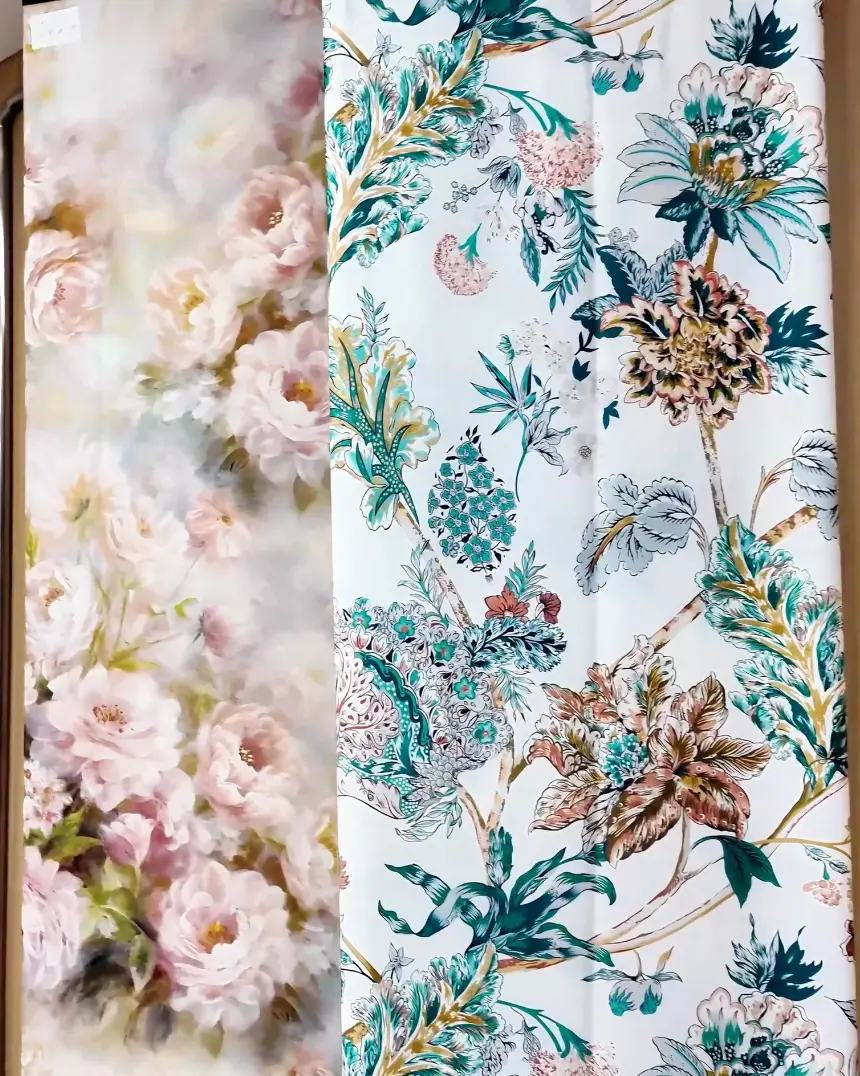
Tencel fabric’s adaptability makes it suitable for a wide range of products, including lightweight dresses, tailored suits, bedding, towels, and upholstery. Its elegant drape, subtle luster, and compatibility with other fibers—such as cotton, wool, or synthetics—give designers unlimited creative freedom without sacrificing performance or sustainability.
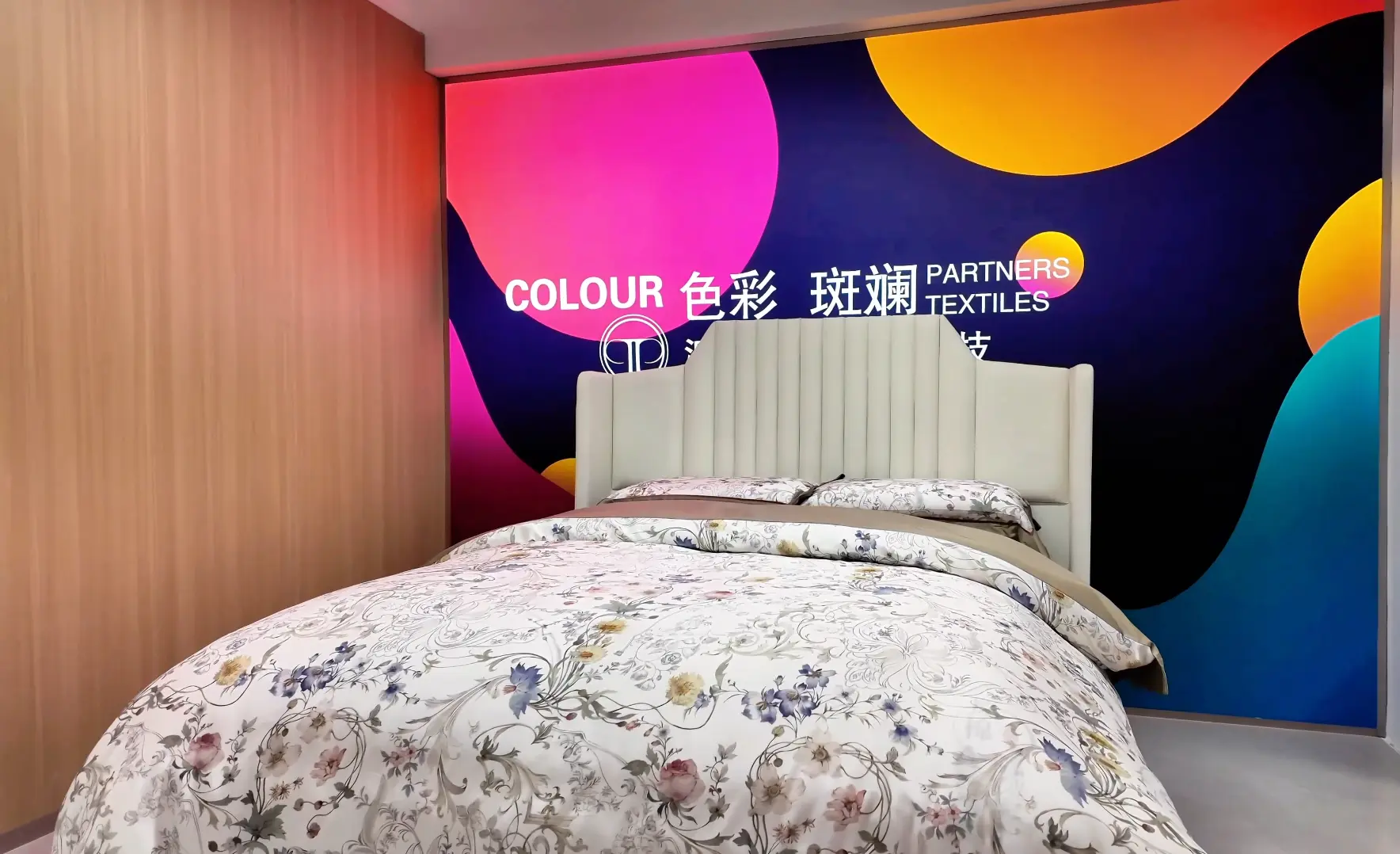
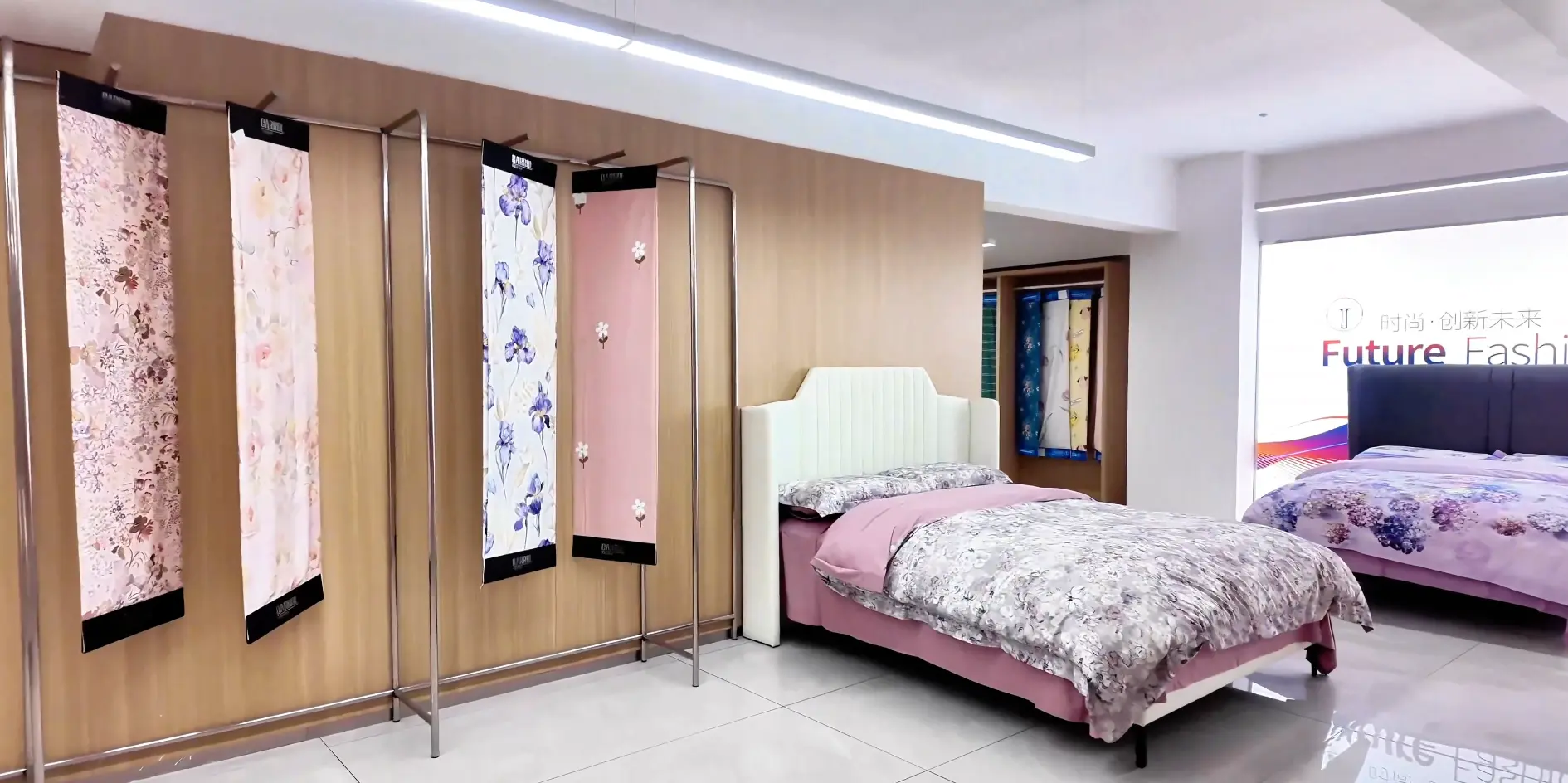
Sustainable Tencel fabric for eco-friendly clothing brands shines in fashion collections that emphasize fluidity and ethical production. Meanwhile, premium Tencel fabric applications in luxury home textiles elevate bedding and linens with superior softness and moisture control, promoting better sleep quality and everyday comfort. Additional uses in nonwovens and hygiene products further broaden commercial opportunities.
6.1 Diversification Opportunities for Brands
By incorporating Tencel fabric across multiple categories, companies can efficiently expand their portfolios while maintaining a consistent, compelling sustainability narrative that resonates with conscious consumers.
7. Powerful Brand Differentiation and Consumer Appeal in a Growing Market
Integrating Tencel fabric strengthens brand storytelling by demonstrating a clear commitment to innovation and environmental responsibility. Market research consistently links the fiber to perceptions of trust, premium quality, and eco-friendliness. As demand for traceable, low-impact materials continues to rise—with the sustainable textiles sector already surpassing $370 billion in 2025 and growing rapidly—brands using Tencel fabric gain a distinct competitive advantage in both retail and e-commerce channels.
Fiber identification technology provides full traceability from forest to finished product, appealing strongly to younger demographics who prioritize ethical consumption. The result is higher margins, positive reviews, stronger retailer partnerships, and lasting customer loyalty.
7.1 Future Outlook and Strategic Positioning
With the lyocell market on a steep upward trajectory through 2032, early adopters of Tencel fabric are well-positioned to lead the industry’s shift toward greener practices and capture premium market share.
Environmental Impact Comparison Table
| Fabric Type | Water Consumption (Relative) | Carbon Emissions (Relative) | Biodegradable & Compostable | Key Brand Benefit |
|---|---|---|---|---|
| Tencel Fabric | Low (closed-loop efficiency) | Up to 53% lower | Yes | Verifiable claims & traceability |
| Conventional Cotton | High (up to 20,000 L/kg) | Higher | Yes | Familiar but resource-heavy |
| Polyester | Moderate (fossil-based) | High | No | Durable but non-sustainable |
The data above clearly illustrates Tencel fabric’s measurable superiority for brands seeking credible, quantifiable sustainability improvements.
In conclusion, choosing Tencel fabric equips your brand with a powerful combination of environmental leadership, superior comfort, performance, durability, versatility, and market appeal. The seven advantages detailed here provide a compelling roadmap for integrating this innovative fiber into your collections. As the textile industry accelerates its transition to greener solutions, brands that embrace Tencel fabric today will build resilient, future-proof businesses that delight customers while respecting the planet. Partner with certified suppliers now to unlock these benefits and elevate your brand’s sustainable edge.