

Article Abstract:
Today, TENCEL fabrics and Modal fabrics are frequently considered to be superior, environmentally responsible substitutes to conventional cotton and synthetic fibers.
Authenticate publications like the Textile Exchange Preferred Fiber & Materials Market Report, which is authored by the JRC, state that life cycle assessment (LCA) studies published in the Journal of Cleaner Production have demonstrated that regenerated cellulosic fibers have a superior performance in terms of water conservation, biodegradability, and consumer comfort when compared to traditional fibers.
However, significant differences exist between the Modal and TENCEL™ regarding the production technology, environmental impact, mechanical properties, and long-term value.
Referenced sources include:
- Textile Exchange – Preferred Fiber & Materials Market Report
- European Commission JRC – Environmental Footprint Category Rules for Apparel
- Shen et al., Life Cycle Assessment of Man-Made Cellulosic Fibers, Journal of Cleaner Production
- Woodings, Regenerated Cellulose Fibres, Textile Institute
Understanding Regenerated Cellulosic Fibers in the Modern Textile Landscape
Rebranded cellulosic fibers (RCFs) have a unique association with natural and synthetic fibers. While derived from cellulose that is renewable and primarily composed of wood pulp, they are chemically dissociated and re-purposed into fibers with altered properties.
This hybrid nature enables RCFs to combine the efficiency and breathability of natural fibers with the consistency and scale of manufacturing industries.
Over the past two decades, RCFs have become more strategically important as brands have responded to environmental regulations, carbon reductions, and consumer demand for natural fiber fabric.
Cotton has traditionally been considered the default natural fiber, but it’s being criticized because of its high water consumption, dependency on pesticides, and land usage.
Polyester is considered to be durable and budget-friendly, but it has been associated with concerns regarding the dependency on fossil fuels and microplastic pollution.
Within this context, Modal fibers and TENCEL fibers, both derived from cellulose, have become the leading options. Despite the surface’s similarities, their production methods, fibers, and sustainability characteristics differ significantly, which has a significant impact on the performance of the product and the brand’s positioning.
What Are Modal Fabrics?
Modal is considered a high water content fiber (HWM) that is developed to address the flaws of traditional viscose rayon. Its most common raw material is beechwood pulp, which is selected because of its long cellulose chains and relatively uniform fiber composition.
From a manufacturing perspective, Modal still relies on a modified viscose process, which involves the chemical dissolution of cellulose using sodium hydroxide and carbon disulfide. Compared to standard cotton, Modal fibers have a higher molecular orientation that is greater than 90 degrees, which results in a stronger tensile strength that is especially beneficial in wet conditions.
-
The distinguishing features of Modal fibers
Modal fabric is commonly attributed to its exceptional softness and fluidity. They have a smooth surface that reduces the irritation of the skin, which is especially popular in intimate clothing, loungewear, and lightweight knitted clothing. Also, Modal has a greater propensity to shrink and maintain its color, which contributes to a longer lifespan for garments that are repeatedly laundered.
However, from an environmental perspective, the sustainability of Modal is highly variable depending on the manufacturer’s practices. While some producers utilize closed-loop chemical recovery systems, others still rely on traditional infrastructure that involves higher pollution and wastewater production if not properly operated.
What Are TENCEL™ Fabrics?
TENCEL is not a common name for a fiber type, but rather a trademark that is registered to Lenzing AG and covers fibers like TENCEL Lyocell and TENCEL Modal. In industry, however, the term “TENCEL™ Fabrics” is typically used specifically with TENCEL™ Lyocell, which is fabricated using a different solvent system than traditional viscose or standard mode.
The Lyocell procedure utilizes N-methylmorpholine N-oxide (NMMO) as the sole direct solvent for cellulose; this eliminates the need for carbon disulfide. Lenzing and other independent studies have found that over 99% of the solvent is recouped and reused in a closed-loop system.
-
The distinguishing characteristics of TENCEL™ fabric
TENCEL™ fabric is recognized for its softness, strength, and environmental value. The fibers have a high dry and wet tensile strength, they are exceptionally well-managed in moisture, and their surface is naturally smooth, which prevents the growth of bacteria. These properties make TENCEL™ particularly appropriate for clothing, bed sheets, medical supplies, and high-end fashion.
Similarly significant is brand faith. The TENCEL™ trademark promotes traceability, standards for the raw material procurement, and environmental benchmarks, which reduce the variability and risk associated with global consumers.
Modal Fabrics vs. TENCEL™ Fabrics: Raw Materials and Fiber Origins
BothModal and TENCEL™ are derived from cellulose-based fibers; however, the philosophy and framework for certification are fundamentally different.
Modal cultivation typically utilizes beechwood forests in Europe and Asia. While beechwood is a resource that can be replenished, its sustainability is primarily dependent on the way it is managed and certified by third parties. Not all of the Modal fibers in the market have a documented chain of custody.
TENCEL™ fibers, however, are derived exclusively from wood materials that are certified by organizations like FSC® and PEFC™. This guarantees that raw materials are derived from forests’ management that is responsible and comes from controlled sources, all of which are in compliance with the requirements of corporate ESG reporting.
-
Comparison Table: Raw Material Sourcing
| Aspect | Modal Fabrics | TENCEL™ Fabrics |
| Primary Raw Material | Beechwood pulp (varies by supplier) | FSC/PEFC-certified wood |
| Traceability | Manufacturer-dependent | Full chain-of-custody |
| Renewable Source | Yes | Yes |
| Certification Consistency | Medium | High |
Manufacturing Processes and Environmental Impact
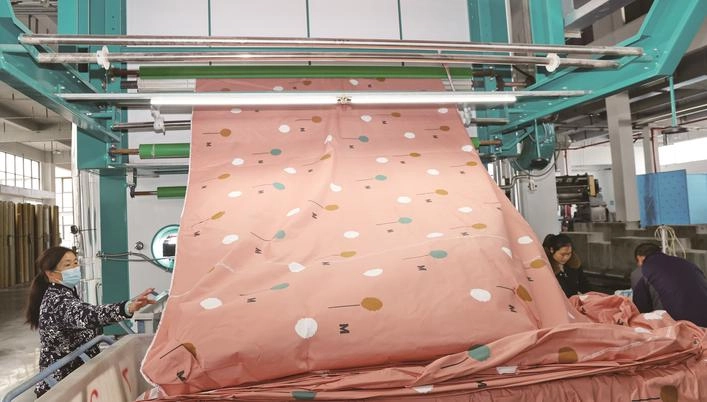
The greatest difference in technical importance between Modal and TENCEL™ is in the production of their chemistry.
Modal is derived from an evolved process of viscose; this process is still in the standard form, however, it involves chemicals based on sulfur. Without advanced systems for recovery, this can lead to a higher environmental burden.
TENCEL™ Lyocell is derived from a closed-loop process that produces solvent, which is considered the paramount form of sustainable cellulose fiber manufacturing. Reviewed LCAs that are peer-reviewed consistently place Lyocell at the bottom of the list of lowest- Impact fibers in categories like water consumption, eutrophication potential, and greenhouse gases.
From a sustainability and regulatory perspective, this distinction is growing in importance as brands are required to publish more information about their environmental impact in frameworks like the EU CSRD.
Physical Performance: Strength, Durability, and Comfort
When determining which fiber has the greatest performance, metrics that are critical to performance play a significant role.
Modal fibers have a high softness and stretchiness, which makes them ideal for clothing that focuses on the feel of comfort and drape. However, their capacity to withstand abrasion and their long lifespan can be less than TENCEL™ in harsh use scenarios.
TENCEL™ fabrics’ performance is more even. Their increased fiber strength results in superior resistance to pilling, tearing, and fatigue of fibers. This is particularly true of woven products and blended fabrics.
-
Comparison Table: Physical Properties
| Property | Modal Fabrics | TENCEL™ Fabrics |
| Softness | Very high | High |
| Wet Strength | Improved vs viscose | Excellent |
| Abrasion Resistance | Medium | High |
| Moisture Management | Good | Excellent |
| Long-Term Durability | Medium | High |
Moisture Management and Skin Comfort
The behavior of moisture is integral to the definition of next-generation textiles.
Modal fibers are effective at absorbing moisture, but they tend to store it in the fiber structure. This promotes a cool sensation, but it can also slow the drying time in humid environments.
TENCEL™ fibers have a nanofibrillar composition that facilitates rapid moisture transfer across the fiber’s surface. Studies referenced in Lenzinger Berichte and Textile Research Journal indicate that this mechanism diminishes the accumulation of moisture and creates a less favorable environment for bacterial growth— this is beneficial to activewear, underwear, and bed sheets.
Application Scenarios: Which Fiber Is Better for Which Use?
No singular answer to the question of whether or not Modal is superior; the quality of the product is contingent on the intended result.
Modal fibers are particularly beneficial for:
- Loungewear and bed sheets
- Lightweight tops that are knitted
- Fashion clothing that focuses on slimming and softness
- Highly sensitive segments with a high cost of admission
TENCEL™ fabric is more beneficial for:
- Performance clothing
- Bedding and sheets that are premium
- Healthy and hygienic textiles
- Brands that are driven by sustainability
Cost Structure and Commercial Considerations
From a cost of sourcing perspective, Modal typically has a lower cost per unit than TENCEL™, which makes it attractive for large volume programs. However, TENCEL™ is often associated with a higher cost per wear because of its enhanced durability and brand-led price increases.
For consumers in the B2B industry, the ability to follow the trail of a product and recognize the brand can reduce the risk of reputation and increase the importance of sustainability reporting, which is an increasingly significant commercial component.

Sustainability, Certifications, and Brand Value
TENCEL™ is aligned with powerful global frameworks for sustainability, including:
- The criteria for the EU Ecolabel are described in more detail below.
- Highly efficient scoring system
- Corporate strategies for reducing carbon are described.
Also, Modal can be produced responsibly, but the variability among suppliers makes it essential to do due diligence.
FAQ: Modal Fabrics vs. TENCEL™ Fabrics
Q1: Is TENCEL™ the same asModal?
No. While TENCEL™ typically refers to branded fibers derived from Modal, it is primarily composed of Lyocell, fabricated using a closed-loop system that has a higher environmental impact.
Q2: Are TENCEL™ fabrics’ sustainability greater thanModal fabrics?
In the majority of documented LCAs, TENCEL™ Lyocell has a lower environmental impact than standard Modal, particularly in regard to chemical emissions and water consumption.
Q3: Which fabric is more comfortable: Modal or TENCEL™?
Many people believe that Modal is initially softer than TENCEL, but TENCEL’s consistency of softness and resilience over time is appreciated.
Q4: Is Modal less expensive than TENCEL™?
Yes, Modal fabric is typically more budget-friendly, but the total lifecycle value is still debatable. TENCEL is preferred.
Q5: What fabric is more beneficial to premium brands?
TENCEL™ is typically utilized because of its traceability, trademark recognition, and sustainability attributes.
Conclusion: What Is Better, Modal or TENCEL?
From a technical and environmental perspective, TENCEL™ Fabrics have a more advanced, forward-thinking solution that is particularly popular among brands that focus on environmental performance, durability, and transparency. However, Modal fibers still have a significant role in applications that require softness, drape, and efficiency in cost.
Ultimately, the better fiber is not decided by marketing campaigns, but instead is determined by the purpose of the fiber, which is informed by the demands of performance, the goals of sustainability, and long-term brand strategy.