
Анотація
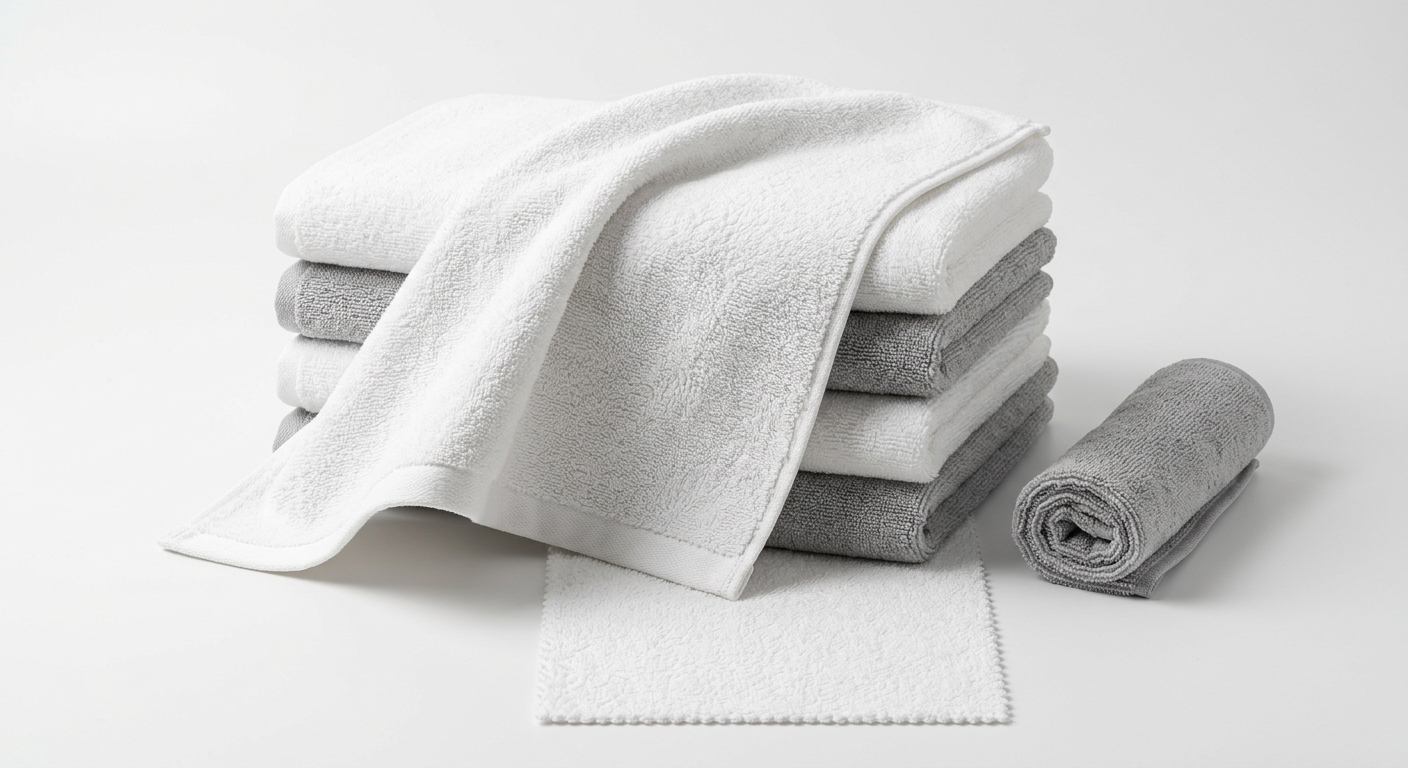
For procurement managers in hospitality, spa operations, and commercial laundry services, fabric selection directly impacts operational efficiency, guest experience, and long-term textile costs. The performance difference between standard cotton terry and Махрова серветка з мікрофібри is largely determined by fiber density, construction, and durability.
This article explores how GSM, fiber structure, wash-cycle performance, and total cost of ownership influence material selection for hotel robes, spa towels, pool textiles, and fitness center linens. By understanding density as a key performance factor rather than a simple weight measurement, buyers can make more informed sourcing decisions.
1. Understanding Fabric Density: The Science Behind the Difference
1.1 What Is GSM and Why Does It Matter for Performance?
GSM (grams per square meter) is one of the most important specification metrics for terry cloth fabrics, but it is often misunderstood as only a measurement of fabric weight. In reality, GSM reflects the overall fabric construction, including fiber density, pile height, loop structure, and base weave compactness. Two fabrics with the same GSM can deliver very different performance depending on whether the weight comes from longer, less compact loops or a denser, more tightly constructed pile.
For commercial hospitality textiles, common GSM ranges include:
- 300–400 GSM: Lightweight gym towels, facial cloths, and pool wraps
- 400–550 GSM: Standard bath towels and spa hand towels
- 550–700 GSM: Premium bath sheets, hotel robes, and high-end spa towels
For Microfiber Terry Cloth, a higher GSM combined with optimized fiber construction increases the available surface area for moisture absorption and improves water management performance. For procurement teams, evaluating GSM together with pile height tolerance (typically ±0.3 mm), fiber composition, and loop density provides a more complete understanding of fabric quality than GSM alone.
1.2 Microfiber Fiber Structure vs Cotton Fiber Structure
The performance difference between Microfiber Terry Cloth and cotton terry begins with their fundamental fiber structures. Cotton fibers have a natural twisted, cellulose-based structure that creates moderate capillary absorption. While cotton provides excellent comfort and softness, its moisture management performance can change over time as repeated industrial washing affects fiber strength and surface condition.
High-density Microfiber Terry Cloth is engineered using split-fiber filaments, typically made from polyester/polyamide blends such as 80/20 or 70/30 compositions. During manufacturing, each filament can be separated into multiple micro-segments, creating a larger effective surface area and more efficient channels for moisture transfer.
The practical result is faster water movement and improved moisture retention within the fabric structure until laundering. While cotton remains a popular choice for many textile applications, Microfiber Terry Cloth offers distinct advantages in environments that require quick drying, frequent washing, and high textile turnover, such as hotels, spas, and fitness facilities.
2. Performance Comparison: High-Density Microfiber vs Cotton
2.1 Absorbency, Drying Speed & Softness Metrics
The following comparison is based on commercial-grade fabrics tested under standardized conditions relevant to hospitality procurement:
| Performance Dimension | High-Density Microfiber Terry | Standard Cotton Terry |
|---|---|---|
| GSM Range | 400–700 GSM | 400–650 GSM |
| Water Absorption Rate | 3–5× its own weight | 1.5–2.5× its own weight |
| Drying Time (air dry) | 30–50% faster than cotton | Baseline reference |
| Wash Cycle Durability | 300–500+ industrial cycles | 150–250 industrial cycles |
| Стійкість до пілінгу | High (split fibers resist surface abrasion) | Moderate (natural fiber fraying) |
| Unit Weight Cost | 10–20% higher upfront | Lower initial cost |
| Primary Applications | Hotel robes, spa towels, pool textiles | Budget hotel linens, standard bath towels |
Softness perception is another differentiator. High-density microfiber terry achieves a fine, uniform surface texture because the split filaments are inherently finer than a human hair (typically 0.1–0.3 denier per filament). Cotton softness depends heavily on fiber grade (combed vs. carded) and degrades measurably after 50–80 wash cycles as fiber ends fray and stiffen.
2.2 Durability & Wash Cycle Performance
Commercial laundry operations place significant stress on hospitality textiles through repeated washing, high temperatures, chemical exposure, mechanical agitation, and high-speed extraction. Typical industrial laundering conditions may include wash temperatures of 60–85°C, alkaline detergents with pH levels of 9–11, and intensive mechanical processing. Under these conditions, the structural differences between cotton terry and Microfiber Terry Cloth become increasingly important from a cost and performance perspective.
Cotton terry can experience gradual tensile strength reduction after repeated industrial washing, with surface pilling and loop distortion becoming more noticeable over extended use. Because cotton fibers are composed of natural cellulose, repeated exposure to heat, moisture, and alkaline detergents can accelerate fiber wear over time. In high-volume hospitality environments, cotton spa towels often require more frequent replacement depending on usage intensity, laundering procedures, and maintenance practices.
High-density Microfiber Terry Cloth generally maintains fabric structure and loop integrity for longer periods due to the durability and chemical stability of polyester/polyamide fibers. Compared with cotton, microfiber fibers are more resistant to repeated washing conditions and help reduce surface wear when properly constructed. Quality microfiber terry fabrics can maintain strong performance through hundreds of commercial wash cycles, while dense fiber construction helps minimize filament loss and preserve softness.
For hotels, spas, and commercial laundry operations, this extended service life can translate into fewer replacements, more consistent guest experiences, and improved long-term textile value.
3. Compliance, Standards & Sourcing Specifications
3.1 Key Industry Standards for Hospitality Textiles
B2B buyers sourcing Microfiber Terry Cloth for skin-contact hospitality applications should evaluate relevant compliance requirements before confirming supplier orders. Certifications and test reports provide important evidence of material safety, durability, and production consistency.
OEKO-TEX STANDARD 100: Verifies that the fabric has been tested for harmful substances, including formaldehyde, heavy metals, and restricted chemicals. It is particularly relevant for hotel robes, spa towels, and other textiles with frequent skin contact.
ISO 105-C06 / ISO 105-E04: Evaluates color fastness to washing and perspiration. Maintaining appropriate color fastness levels helps reduce dye transfer risks during repeated commercial laundering.
ASTM D5034 (Breaking Strength): Measures fabric tensile strength and structural durability. For hospitality textiles exposed to frequent use and washing, tensile performance is an important indicator of product lifespan.
ISO 6330: Provides standardized washing procedures for evaluating textile durability and comparing supplier wash-cycle performance claims under controlled conditions.
REACH Compliance: Supports compliance with chemical restriction requirements for textile products supplied to EU markets.
When qualifying suppliers, request test reports rather than relying only on certificates. Certificates confirm that testing has been completed, while reports provide specific measurement data, testing conditions, and evaluation results.
3.2 Density Specifications Checklist for B2B Buyers
Before placing an order for high-density Microfiber Terry Cloth, procurement teams should confirm the following technical specifications with suppliers:
GSM (±5% tolerance): Define the target GSM range and acceptable production variation. For example, a 550 GSM fabric delivered at 510 GSM represents a significant difference in material weight and performance expectations.
Fiber Composition Ratio: Confirm the polyester/polyamide ratio based on application requirements. Common constructions include 80/20 blends, while higher polyamide content may improve softness and moisture absorption.
Pile Height: Specify pile height requirements and tolerance. Shorter piles generally support faster drying, while taller piles provide increased softness and absorbency.
Fabric Width Tolerance: Confirm width specifications, such as 150 cm or 160 cm, with acceptable tolerance limits to minimize material waste during cut-and-sew production.
Shrinkage Rate: Verify dimensional stability after repeated washing. Pre-shrunk fabrics should maintain controlled shrinkage performance under standardized testing conditions.
4. Application Scenarios & Commercial Value
4.1 Hospitality Use Cases: Hotel Robes, Spa Towels & Pool Textiles
Microfiber Terry Cloth is increasingly used across hospitality segments where quick drying, durability, and consistent comfort are essential. Different applications require different fabric specifications:
- Five-Star Hotel Robes (550–650 GSM): Guests often associate robe weight and softness with premium service quality. High-density Microfiber Terry Cloth provides a dense, comfortable hand feel while faster drying performance can help reduce laundry turnaround time for large-scale hotel operations.
- Spa Treatment Towels (400–500 GSM): Spa environments require towels that absorb moisture quickly, maintain softness, and withstand frequent same-day washing. The moisture transfer efficiency and durability of microfiber make it suitable for high-turnover treatment areas.
- Pool & Fitness Club Textiles (300–400 GSM): These environments require fabrics that dry quickly between uses, tolerate frequent washing, and maintain structural integrity. Microfiber’s resistance to repeated laundering conditions makes it a practical choice for high-use textile programs.
4.2 Total Cost of Ownership: Why Density Pays Off at Scale
The initial purchase price of high-density Microfiber Terry Cloth may be higher than comparable cotton products, but lifecycle value often depends on durability, laundry efficiency, and replacement frequency. Consider a 200-room hotel operating 600 bath towels:
Cotton towels: $4.50/unit, replaced every 18 months: $2,700 replacement cost per cycle.
Microfiber terry towels: $5.40/unit, replaced every 30 months: $3,240 per cycle. However, when calculated across the longer service period, the effective monthly cost can become more competitive.
Additional TCO advantages include:
Reduced laundry energy consumption: Faster drying performance may help shorten dryer operation time.
Improved wash efficiency: Microfiber construction can release moisture and contaminants effectively, supporting optimized commercial laundry processes.
Lower replacement frequency: Greater durability helps reduce textile disposal and replacement requirements over time.
For large-scale hospitality groups, commercial laundry providers, and multi-property procurement programs, these operational benefits can create meaningful long-term cost advantages.
Часті питання
Q1: What GSM range is recommended for commercial spa towels versus standard hotel bath towels?
For commercial spa towels, 400–500 GSM provides a balance of absorbency, softness, and quick drying. Hotel bath towels typically use 500–600 GSM for a more luxurious feel, while pool and gym textiles often use 300–400 GSM to improve drying speed and handling efficiency.
Q2: How does Microfiber Terry Cloth perform after repeated industrial wash cycles compared to cotton?
Microfiber Terry Cloth maintains strong durability under frequent commercial laundering due to its polyester/polyamide fiber structure. Compared with cotton terry, it offers better resistance to repeated washing, helping preserve softness, absorbency, and appearance in high-turnover hospitality environments.
Q3: What certifications should B2B buyers require when sourcing microfiber terry fabric?
Buyers should verify certifications and test reports including OEKO-TEX STANDARD 100, REACH compliance, and ISO 105 color fastness testing. Current laboratory reports provide more detailed evidence of fabric safety, performance, and production consistency than certificates alone.
Q4: Is Microfiber Terry Cloth better than cotton for hotel and spa applications?
Microfiber Terry Cloth is often preferred for commercial hospitality applications because it dries faster, withstands frequent washing, and supports efficient laundry operations. Cotton remains popular for natural fiber preference and premium positioning, but microfiber offers practical advantages in high-use environments.
Q5: What fiber composition is recommended for high-density Microfiber Terry Cloth?
Common commercial constructions use polyester/polyamide blends such as 80/20 or 70/30. Higher polyamide content can improve softness and moisture absorption, while polyester contributes durability and dimensional stability during repeated laundering.
Q6: How should buyers evaluate the quality of Microfiber Terry Cloth suppliers?
B2B buyers should review GSM consistency, fiber composition, pile height, shrinkage performance, and relevant testing documents. Reliable suppliers should provide detailed specifications and quality reports to support product evaluation before bulk purchasing.
Висновок
Fabric density is not simply a weight specification—it is a key factor influencing the performance, durability, and lifecycle value of hospitality textiles. Microfiber Terry Cloth provides significant advantages in commercial applications where fast drying, repeated washing, consistent softness, and operational efficiency are important considerations.
For B2B buyers managing hotel, spa, and commercial laundry supply chains, selecting the right fabric construction can reduce replacement frequency, improve guest experience, and support long-term cost control. When evaluating suppliers, focus on verified specifications such as GSM, fiber composition, pile height, and relevant certifications.
A reliable supplier should provide detailed product specifications and third-party testing documentation to support confident sourcing decisions.