

مقدمة
Making your own bedding design idea a reality involves more than simply cutting and sewing fabric. Every aspect of your bedding design is important in the overall look, feel, and performance of the product in the market.
Here’s where custom bedding manufacturing comes in. The process takes a combination of design creativity, technical precision, and quality control. Unlike standard bedding, which is sold in specific sizes and styles, custom bedding allows brands to have complete control over every aspect of the product — from the fabric, size, color, pattern, finishing, labeling, and packaging.
In this guide, we’ll take a closer look at how custom bedding manufacturing works behind the scenes from the first design consultation to the finished product, and why a vertically integrated production process can make the difference between a basic set of bedding and a truly market-ready brand product.
What Sets Custom Bedding Manufacturing Apart from Standard Production
Before diving into the step‑by‑step process, it helps to understand the fundamental difference between standard bedding production and custom bedding manufacturing. Standard production produces large quantities of identical bedding with fixed specifications – predetermined sizes, standard fabrics, and generic packaging. Retailers buy what already exists. In custom bedding manufacturing, the manufacturer produces specifically to a buyer‘s specifications. Every element can be tailored: fabric type, weave structure, dimensions, color, print or embroidery pattern, inner filling for comforters, edge finishing, label design, and packaging.
This flexibility is particularly valuable for bedding brands establishing their own identity. Hotels and rental properties requiring consistent replacement across hundreds of units also benefit. For e‑commerce bedding startups, custom bedding manufacturing allows them to launch with unique products that differentiate them from competitors selling the same off‑the‑shelf items. Additionally, buyers can secure OEKO‑TEX® STANDARD 100 certification for their products – an independent global testing system that verifies textiles are free from harmful substances at all processing levels, from raw materials to finished goods.
Phase 1 – Design Consultation and Material Selection
Every custom bedding manufacturing project begins with a design consultation. This is where the buyer communicates their vision – target market, preferred fabric, size requirements (twin, full, queen, king, California king, or custom sizes), color palette, printing or embroidery design, budget range, and desired quantity. The manufacturer’s role at this stage is to translate these requirements into a technically feasible production plan.
Fabric and Fiber Selection – The Foundation of Quality
Fabric selection is the single most important decision in custom bedding manufacturing. The fiber content determines breathability, durability, softness, and how the bedding performs across seasons. Common options include:
-
القطن – Classic, breathable, softens with each wash. Organic cotton is available for eco‑conscious brands.
-
Linen – Highly breathable and moisture‑wicking. Linen offers natural temperature regulation, keeping sleepers cool in summer and warm in winter. It is durable and becomes softer with use over time.
-
Tencel / Lyocell – Made from sustainably sourced wood pulp. Tencel is silky smooth, hypoallergenic, and moisture‑wicking.
-
Bamboo – Naturally cooling, antimicrobial, and hypoallergenic – an excellent choice for sensitive skin.
-
Polyester or Microfiber – Affordable, wrinkle‑resistant, and easy to care for.
-
Blends – Combining fibers (cotton‑polyester, cotton‑bamboo) balances cost, wrinkle resistance, and breathability.
Beyond fiber type, the weave structure also matters. Percale weaves create a crisp, cool feel ideal for hot sleepers. Sateen weaves produce a smooth, silky surface with a subtle sheen. Twill weaves offer durability with a soft drape.
Color, Print, and Finishing Specifications
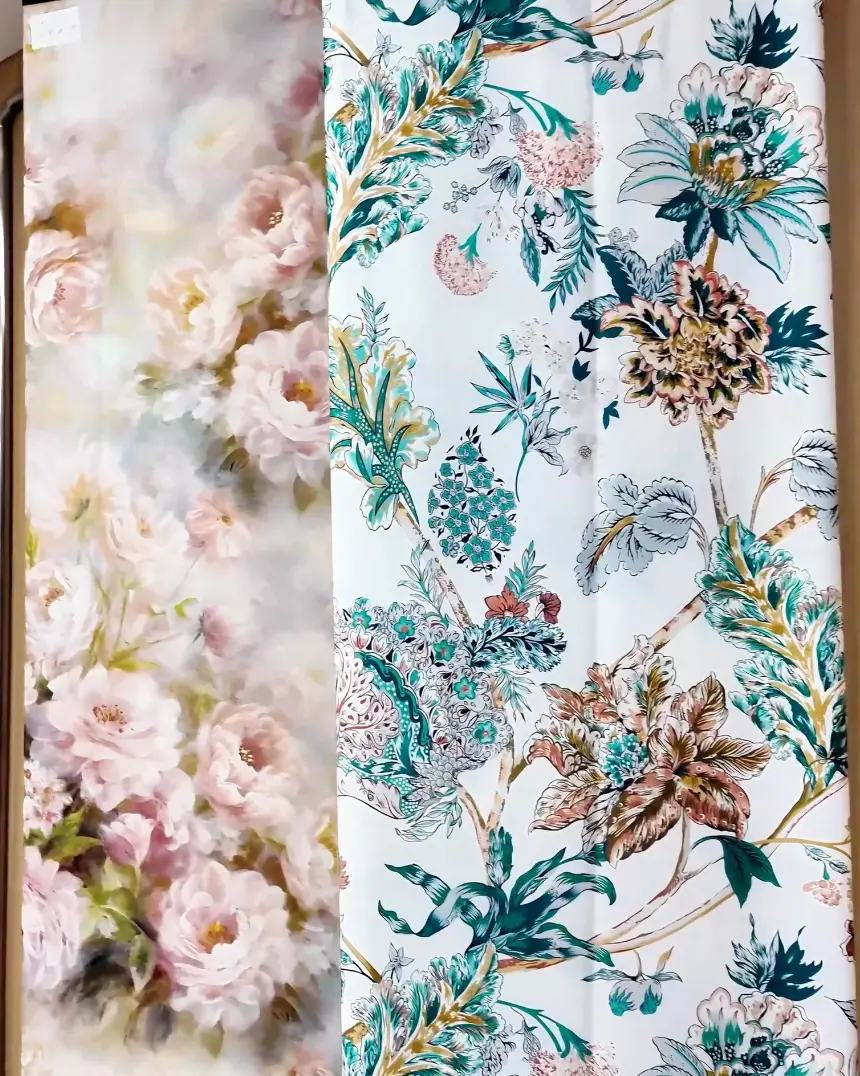
After fabric selection, the next decision in custom bedding manufacturing is surface design. Options range from solid dyeing (single uniform color) to printed patterns and embroidery. Digital printing has revolutionized this aspect of custom bedding. Digital printing allows photorealistic patterns with unlimited color variation and no minimum order restrictions on pattern repeats.
For bedding designed for high‑end hospitality or residential use, embroidery adds a premium tactile element. Thread color, stitch density, and placement are all decided during this consultation phase.
Material Sourcing – Domestic vs. Imported Fabrics
Once design specifications are finalized, the manufacturer sources the required materials. This is where the difference between a basic assembler and a vertically integrated manufacturer emerges. Some custom bedding manufacturing companies purchase all fabrics from external suppliers. Others with vertical integration – such as Nantong Patni Textile Technology – have in‑house or strategic fabric supplier networks, allowing greater control over quality, consistency, and lead times.
For brands requiring specific certifications (OEKO‑TEX, GOTS organic, Fair Trade), the manufacturer must source certified materials from approved suppliers. This adds a quality verification step before any cutting begins.
Phase 2 – Prototyping and Sampling
Before committing to full production, a reputable custom bedding manufacturing partner produces physical samples. This sampling stage is critical: it reveals design flaws, fit issues, or material performance problems before expensive bulk production.
Sample Production Timeline
The sampling process typically takes 5 to 14 days from specification finalization. A professional custom bedding manufacturing partner might prepare samples within 72 hours to 7 days door‑to‑door for confirmed orders. The sample kit often includes a fabric card showing all available material options, a workmanship sheet documenting construction methods, and a price band outlining cost by quantity.
Iterative Revisions
If the sample does not meet expectations, revisions are made. Each revision cycle adds 5–10 days, depending on complexity. Common revisions include adjusting seam allowances, changing stitch types, correcting print alignment, or modifying elastic tension on fitted sheets. Successful custom bedding manufacturing projects typically go through one to three sample rounds before approval. Rushing past this phase often leads to costly change orders during bulk production.
Technical Specifications Documentation
Once the sample is approved, the manufacturer finalizes a technical specification sheet (tech pack). This document contains every detail needed to reproduce the product at scale: fabric type and weight, cutting dimensions (including shrinkage allowances), stitch type and count per inch, seam construction method, print registration marks, label placement coordinates, and packaging instructions. The tech pack serves as the binding reference for quality control inspectors.
Phase 3 – Bulk Fabric Cutting and Preparation
With the sample approved, custom bedding manufacturing moves into bulk production. The first production step is cutting the fabric to the required dimensions.
Fabric Relaxation and Layering
Fabric arrives in large rolls. Before cutting, quality manufacturers allow the fabric to relax for a minimum period to relieve tension accumulated during rolling. This prevents dimensional distortion after cutting. The fabric is then laid out in multiple layers on a long cutting table. The number of layers depends on the fabric type and cutting method. For high‑volume production, computerized automated spreaders ensure perfect alignment across all layers.
Cutting Methods – Manual, Semi‑Automated, and CNC
Custom bedding manufacturing facilities use three cutting methods. Manual cutting with a straight knife is suitable for small batches below 500 units. Semi‑automated cutting uses straight knives with guided systems for medium runs up to 5,000 units. For large‑scale production, CNC cutting systems use laser or ultrasonic blades to cut multiple layers simultaneously with near‑perfect accuracy. CNC systems also store cutting plans digitally, allowing perfect replication across reorders.
Marker Making for Fabric Efficiency
Before cutting, a “marker” – the arrangement diagram of pattern pieces across fabric width – is created digitally. Efficient custom bedding manufacturing uses marker‑making software to maximize fabric utilization and minimize waste. An optimized marker can reduce fabric consumption by 3–7% compared to manual layout. For large orders spanning thousands of units, this material saving directly improves product margins.
Phase 4 – Sewing and Assembly
After cutting, the fabric pieces move to the sewing floor. This stage transforms flat cut pieces into three‑dimensional bedding items: fitted sheets with elastic corners, flat sheets with hemmed edges, duvet covers with closure mechanisms, pillowcases with envelope or flanged openings, and mattress pads with quilted layers.
Stitch Types and Seam Construction
Professional custom bedding manufacturing employs specific stitch types for different applications. Lockstitch seams are the standard for flat seams on sheets and pillowcases. Overlock (serger) seams enclose raw edges and are used on mattress pads. Double‑needle chainstitch seams provide durability on high‑stress areas such as fitted sheet corners.
Seam allowances are specified in the tech pack. For high‑end bedding, excess seam allowance may be top‑stitched for a refined finish. Elastic tension on fitted sheets must be calibrated precisely – too loose and the sheet slips off; too tight and it distorts the mattress.
Quality Controls During Sewing
Reputable custom bedding manufacturing operations place quality control checkpoints at each sewing station. Inspectors verify stitch density (e.g., 8–10 stitches per inch for cotton sheeting), seam straightness, thread tension consistency, and the absence of skipped stitches. Digital sensors on automated machines detect skipped stitches in real time and stop production until corrected.
Specialized Assembly for Complex Items
Beyond basic sheets, custom bedding manufacturing encompasses more complex items. Comforter manufacturing requires filling insertion and quilting. Pillow manufacturing requires precise filling, weighing, and even distribution. Mattress pad manufacturing requires foam or fiber pad lamination. Each product type has dedicated assembly lines with specialized equipment.

Phase 5 – Printing, Dyeing, and Finishing Treatments
For bedding requiring color or pattern, this stage occurs either before or after sewing, depending on design. In custom bedding manufacturing, the sequence matters for both quality and cost.
Pre‑Cut vs. Post‑Sew Processing
Solid‑dyed bedding is typically piece‑dyed after sewing to ensure consistent color across seams. Printed bedding is usually printed on jumbo fabric rolls before cutting. This flat‑state printing ensures perfect pattern alignment and reduces waste. Some custom bedding manufacturing operations specialize in garment‑dyeing (sewing first, dyeing second), which creates a slightly vintage, relaxed look favored for certain hospitality and luxury residential lines.
Digital Printing for Custom Bedding
Digital fabric printing has transformed custom bedding manufacturing for low‑to‑medium quantities. Unlike screen printing, which requires expensive screens per color, digital printing works directly from an image file, making it economical for quantities as low as 200 units. Color accuracy is monitored with spectrophotometers to ensure the printed fabric matches the approved sample.
Finishing Treatments for Performance and Feel
Finishing treatments adds functional or aesthetic properties. Pre‑shrinking (compaction) ensures dimensional stability over multiple washes. Stonewashing – used for cotton and linen bedding – uses hot water to shrink fibers to their final size while enhancing softness and creating a relaxed texture. Calendering passes fabric between heated rollers to produce a smooth, lustrous surface. Anti‑microbial or moisture‑wicking finishes add performance characteristics.
Phase 6 – Quality Control and Inspection
Quality control in custom bedding manufacturing is not a single event – it is an integrated system operating at every production stage.
In‑Process and Final Inspections
In‑process quality checks verify cutting accuracy, seam integrity, and print alignment. At the end of the production line, finished bedding undergoes final inspection. Trained inspectors examine each piece for dimensional accuracy (measuring length and width against tech pack specifications), seam strength (pulling to test for breakage), print clarity (checking for smudging or misregistration), thread trimmings (ensuring loose threads are removed), and overall workmanship. For fitted sheets, inspectors test elastic tension on a calibrated form.
Certification Compliance
Many custom bedding manufacturing customers require third‑party certifications. OEKO‑TEX STANDARD 100 verifies that bedding contains no harmful substances at any production stage – from raw fibers to finished items. GOTS (Global Organic Textile Standard) applies to organic cotton bedding, verifying organic content and socially responsible manufacturing. For hospitality buyers, NFPA 701 flame resistance certification may be required. The manufacturer must maintain testing documentation for each certified batch and allow for unannounced inspection audits.
Phase 7 – Packaging and Shipping Preparation
After passing inspection, bedding moves to the finishing line for folding, labeling, and packaging. In custom bedding manufacturing, packaging is often as customized as the product itself.
Private Labeling and Secondary Packaging
Private labeling includes sewing or heat‑transferring brand labels into the bedding, attaching hang tags with barcodes and care instructions, and wrapping each set in poly bags. For e‑commerce and retail brands, the manufacturer can also assemble secondary packaging: printed boxes or poly mailers bearing the brand logo. Compression‑rolled packaging – used for down alternative comforters and mattress pads – reduces shipping volume by 50–70%, lowering freight costs.
Carton Packing and Quality Seal
Finished bedding is packed into shipping cartons with clear labeling of SKU, quantity, and destination. A final quality inspector applies a “sealed” label after verifying that the carton contents match the packing list.
A vertically integrated custom bedding manufacturing facility manages all production stages in‑house, eliminating the coordination delays and quality inconsistencies that occur when subcontracting different phases to separate vendors. This integration ensures end‑to‑end accountability and has been shown to reduce operational costs by up to 30% compared to outsourced assembly models.
مقارنة - OEM مقابل ODM في تصنيع الفراش حسب الطلب
| المعلمة | تصنيع المعدات الأصلية | تصنيع ODM |
|---|---|---|
| مشاركة العملاء في التصميم | كاملة - يوفر المشتري المواصفات الكاملة | محدودة - يختار المشتري من تصميمات الشركة المصنعة الحالية |
| تفرد المنتج | مرتفع - حصرياً للمشتري | منخفضة إلى متوسطة - يمكن بيعها لعدة مشترين |
| تكلفة التطوير | أعلى (التصميم وأخذ العينات من الصفر) | أقل (التصميمات موجودة بالفعل) |
| المهلة الزمنية | أطول (قد تكون هناك حاجة إلى أدوات مخصصة) | أقصر (الأنماط الموجودة مسبقاً) |
| الحد الأدنى لكمية الطلب | مرنة (من 200 إلى أكثر من 20,000 وحدة) | عادةً ما تكون أقل من المعدات الأصلية |
| ملكية العلامة التجارية على التصميم | يحتفظ المشتري بكامل حقوق التصميم | يجوز للشركة المصنعة الاحتفاظ بالحقوق |
في custom bedding manufacturing, فإن تصنيع المعدات الأصلية هو الخيار الأمثل للعلامات التجارية التي تبني هوية فريدة لمنتجاتها. يناسب ODM العلامات التجارية الخاصة التي تسعى إلى دخول السوق بشكل أسرع مع تكلفة تطوير أقل، مع قبول قدر أقل من التفرد في التصميم.
الجدول الزمني للإنتاج - من الطلب إلى التسليم
نموذجي custom bedding manufacturing يتبع المشروع هذا الجدول الزمني:
-
التصميم واختيار المواد - من أسبوع إلى أسبوعين
-
تطوير العينة - 1-3 أسابيع (بما في ذلك المراجعات)
-
شراء الأقمشة بالجملة - 2-4 أسابيع (للأقمشة غير المخزنة)
-
الإنتاج بالجملة - 4-6 أسابيع
-
الفحص والاعتماد - 1 أسبوع
-
التعبئة والشحن - من أسبوع إلى أسبوعين
يتراوح إجمالي المهلة من تأكيد الطلب إلى الشحن عادةً من 9 إلى 15 أسبوعًا. يمكن أن تقلل الطلبات المستعجلة من المهلة الزمنية ولكنها تتكبد رسومًا إضافية. يمكن إكمال الطلبات المتكررة مع الحزم التقنية المحددة في غضون 5-8 أسابيع.
فوائد اختيار تصنيع الفراش حسب الطلب
Custom bedding manufacturing تقدم العديد من المزايا المتميزة عن المنتجات القياسية. فهي توفر حرية التصميم - حيث يمكن تخصيص كل عنصر من الألياف إلى التشطيبات بما يتناسب مع هوية العلامة التجارية. تتسم مراقبة الجودة بالاتساق لأن جهة تصنيع واحدة تشرف على العملية بأكملها. مرونة في الكمية تتراوح من 200 وحدة للعلامات التجارية الصغيرة إلى أكثر من 20,000 وحدة لكبار تجار التجزئة. تصميمات حصرية تميز المنتجات في الأسواق المزدحمة. وبالإضافة إلى ذلك، يمكن لمصنعي مفارش السرير من مصنعي المعدات الأصلية إنشاء منتجات معتمدة للمواد الضارة، مما يلبي طلب المستهلكين على السلع الآمنة والمنتجة بشفافية. يقلل العمل مع شريك تصنيع متكامل رأسيًا من التكاليف والمهل الزمنية وأخطاء التواصل.
أسئلة شائعة
س1: ما هو الفرق بين تصنيع المعدات الأصلية وتصنيع التصميم الأصلي في تصنيع المفروشات؟
تقوم OEM (الشركة المصنعة للمعدات الأصلية) بإنتاج مفروشات السرير بناءً على مواصفات التصميم الخاصة بك بالضبط، بما في ذلك القماش والحجم واللون وتفاصيل التشطيب. توفر ODM (الشركة المصنعة للمعدات الأصلية) تصاميم جاهزة يمكن إعادة تصميمها وتخصيصها بشكل خفيف.
ويُعد تصنيع المعدات الأصلية مثاليًا للعلامات التجارية التي تسعى إلى التحكم الكامل في التصميم والحصرية، بينما يُعد تصنيع التصميم الأصلي أفضل لتطوير المنتج بشكل أسرع وبتكلفة أولية أقل.
س2: ما هي المدة التي يستغرقها تصنيع المفارش المخصصة؟
عادةً ما تستغرق عملية تصنيع المفروشات المخصصة بالكامل من 9 إلى 15 أسبوعاً، بما في ذلك تأكيد التصميم وأخذ العينات والإنتاج بالجملة وفحص الجودة والتعبئة والتغليف.
بالنسبة للطلبات المتكررة ذات المواصفات المؤكدة، يمكن تقليل المهلة الزمنية إلى 5-8 أسابيع.
س3: ما هو الحد الأدنى لكمية الطلب (موك) للمفروشات المخصصة؟
تدعم معظم الشركات المصنعة للمفروشات المخصصة حداً أدنى لكمية الطلبات يبدأ من حوالي 200 وحدة، اعتماداً على نوع القماش ومتطلبات التخصيص.
يمكن لمشاريع إنتاج مفارش السرير الأكبر حجماً للفنادق أو العلامات التجارية للبيع بالتجزئة أن تصل إلى 20,000 وحدة أو أكثر.
س4: ما هي الشهادات التي يمكن أن تحصل عليها منتجات الفراش المخصصة؟
Custom bedding can be produced with internationally recognized certifications such as OEKO-TEX STANDARD 100 or GOTS organic certification, depending on material selection.
These certifications ensure that the bedding meets global safety and environmental standards and is free from harmful substances.
Q5: What packaging options are available for custom bedding?
Packaging can be fully customized to match branding and market needs, including:
- Poly bags with branded labels
- Printed retail cartons
- Compression packaging for reduced shipping volume
- Private label solutions, such as sewn-in or heat-transfer labels
Packaging can also be designed specifically for retail, e-commerce, or hospitality applications.
Conclusion: Turning Your Bedding Idea into a Market-Ready Product
Custom bedding manufacturing is a structured process that transforms raw fabric into finished, market-ready products. It includes design consultation, fabric selection, sampling, bulk production, finishing, quality control, and packaging.
Working with a vertically integrated manufacturer helps ensure consistent quality, shorter lead times, and more cost-efficient production.
Whether you are building a bedding brand, supplying hotels, or developing private-label products, custom manufacturing gives you the flexibility to create unique and competitive products.
If you are ready to start your custom bedding project, you can explore OEM/ODM solutions and share your requirements to receive a tailored production quote and sample evaluation.