

Abstract:
The words Synthetic and Microfiber Fabrics are often used synonymously in retail descriptions and consumer talk; however, they are fundamentally different classes of fabric science.
According to Textile Science by Marjory L. Joseph (7th edition, Pearson) and the Principles of Textile Science by P. J. Collier and H. H. Epps, synthetic fibers are generally referred to as fibers derived from chemical polymerization processes, including polyester, nylon, acrylic, and polypropylene.
In other words, microfiber fabric is defined by the chemical composition of its fibers, rather than by their diameter, which is typically smaller than 1 denier per filament (dpf) in accordance with the recognized standards of ASTM textile science and engineering.
This distinction has significant consequences for performance, longevity, moisture management, environmental impact, and practical applications.
Introduction: Why the Confusion Exists?
Today, the language used to describe textile products is often abbreviated for the consumer. A sofá with the label “microfiber”, a sports shirt that is described as synthetic, and cleaning cloths that are marketed as “ultra-microfiber” all contribute to the widespread misconception. Many people believe that microfiber is a material type, while others believe that all synthetic fabric is microfiber.
The actuality is more complex. Synthetic fibers are described by their fiber composition, while microfiber fibers are described by their fiber diminishment. These two classifications are sometimes indistinguishable, but they aren’t completely identical.
Understanding the distinction is crucial for:
- Fashion manufacturers that want to sell apparel choose performance fabrics.
- Brands of furniture that source upholstery.
- Product cleaning providers
- Sustainability experts studying the microplastic effect.
- Technical textile experts who enhance performance.
- To fully clarify the issue, we must begin with definitions derived from textile science.
What Are Synthetic Fabrics?
Synthetic fibers are derived from chemical polymers that are primarily composed of petroleum. Contrasting with natural fibers like cotton, wool, or silk, synthetic fibers are derived through chemical processes that are intended to produce them.
Common synthetic fibers that are categorized by their composition include:
- Polyester (PET)
- Nylon (Polyamide)
- Acrylic
- Spandex (Elastane)
- Polypropylene
The distinguishing characteristics of synthetic fibers
Synthetic fibers are appreciated for:
- High tensile strength
- wrinkle resistance
- Moisture tolerance
- Durability
- Efficiency in cost
- Constant production oversight
Because they are designed at the molecular level, their properties can be altered during manufacturing, for example, by adjusting elasticity, luster, or thermal insulation.
However, synthetic fibers have a variety of properties, including thickness, consistency, and texture. A thick nylon fabric and a silky polyester cloth are both synthetic, but they have completely different feels and purposes.
What Are Microfiber Fabrics?
Microfiber fabric is characterized by the diameter of its fibers. A microfiber flannel typically has a diameter of less than 1 denier, which is smaller than the average flannel, which is around 1.25 denier.
Many microfiber fabrics’ components are derived from synthetic polymers, including:
- Polyester
- Nylon
- Polyamide combinations
However, microfiber is specifically concerned with the chemical composition of fibers, not their physical attributes.
Microfiber fabric’s structural advantages.
Because microfibers are so diminutive:
- They have a greater area of contact
- They enhance the moisture-transporting ability
- They increase the softness of the area
- They enhance the efficiency of cleaning (in cloths)
- They facilitate precise density regulation
This microstructure at the micro-scale explains the popularity of microfiber in the cleaning industry, athletic gear, upholstery, and bed linens.
Key Differences Between Synthetic Fabrics and Microfiber Fabrics
The simplest explanation:
- All microfiber fabrics are typically synthetic.
- Not all synthetic fabrics are microfiber.
To clarify further, the following comparison table outlines structural differences.
Structural and Classification Differences
| Feature | Synthetic Fabrics | Microfiber Fabrics |
| Definition Basis | Chemical origin | Fiber fineness |
| Fiber Diameter | Any thickness | <1 denier per filament |
| Composition | Polyester, Nylon, Acrylic, etc. | Usually polyester or nylon |
| Texture | Varies widely | Typically soft, smooth |
| Surface Area | Standard | Very high |
| Typical Uses | Apparel, industrial, upholstery | Cleaning cloths, sportswear, furniture |
The defining factor is dimensional, not chemical.
Manufacturing Process Comparison
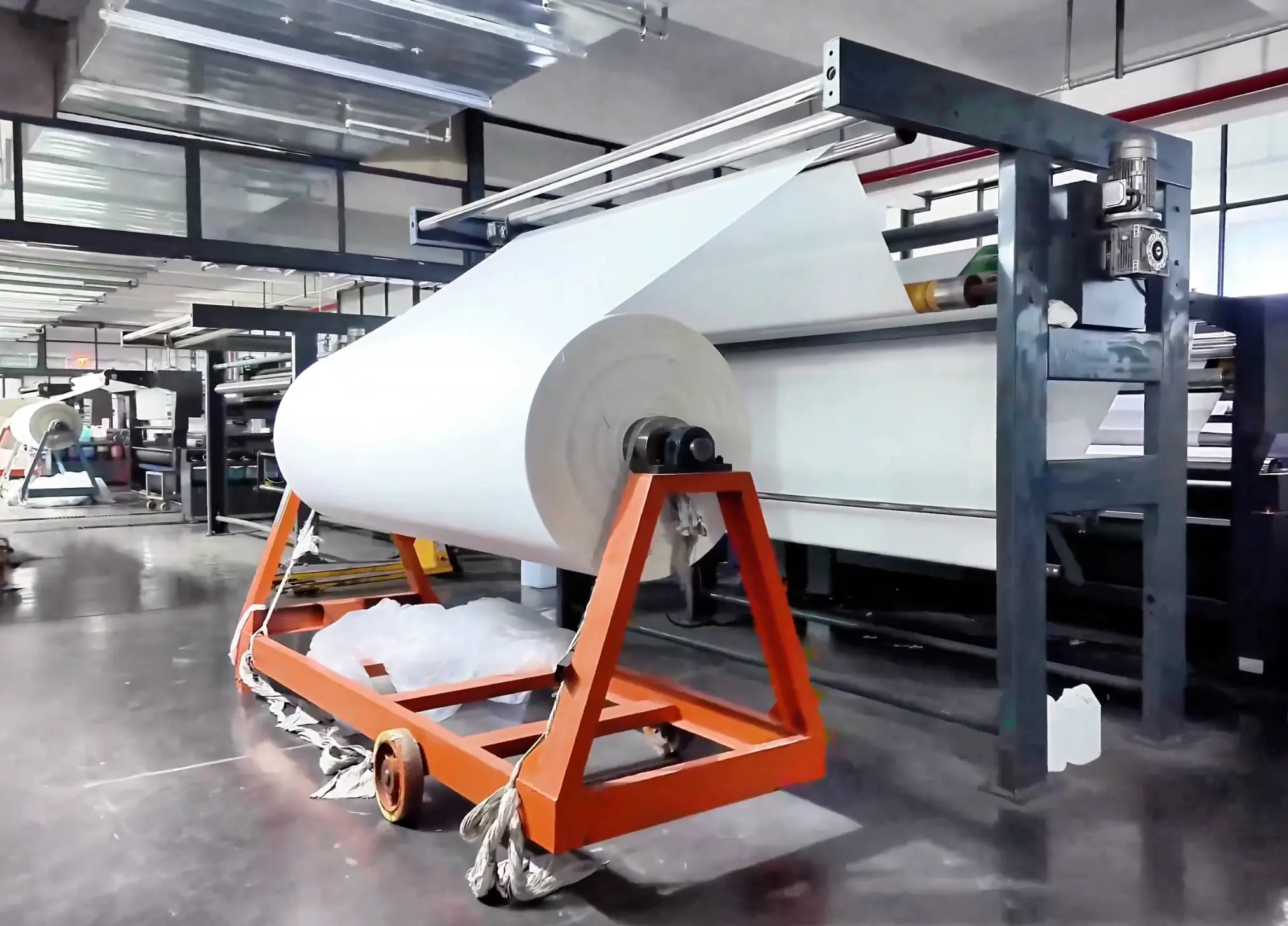
- Imitation Fiber Production
Synthetic fibers are made through:
- Polymerization
- Spinneret extrusion
- Cooling and solidification
- Practicing drawing to strengthen
- Texturing (recommended)
The thickness of fibers can be altered by altering the diameter of the spinneret’s hole.
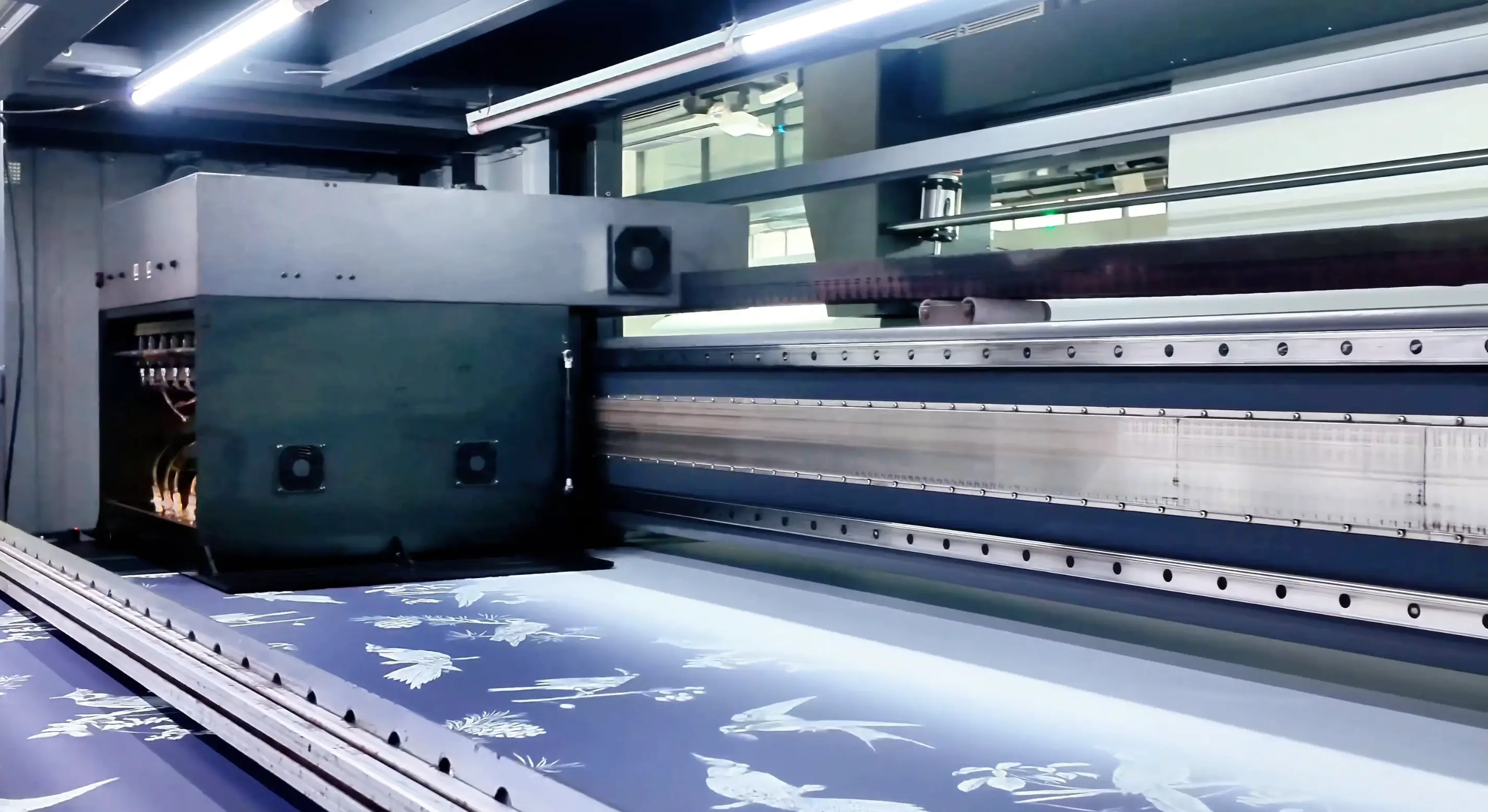
- Microfiber creation
The creation of microfibers involves:
- Very small spinneret openings
- Accurate extrusion
- Elaborate techniques for splitting (in rare instances)
- Handling equipment for specialized purposes
The exactness of the engineering required for microfiber fabric increases the complexity and cost of production.
Performance Differences in Real Applications
- Moisture Control
Microfiber fabric often has a higher surface area than standard fabric, which enables superior moisture management in athletic clothing.
- Cleanliness
Split microfiber strands create small, microscopic hooks that are more effective at capturing dust and bacteria than traditional cloths.
- Warmth and Density
Microfiber fabric has a smoother and silk-like feel because of its smaller diameter.
- Durability
Synthetic fibers with increased thickness may have a superior performance in heavy-duty commercial applications.
Performance Comparison in Common Applications
| Application | Synthetic Fabric Advantage | Microfiber Fabric Advantage |
| Sportswear | Durability | Moisture wicking |
| Upholstery | Structural strength | Soft hand feel |
| Cleaning Cloths | Chemical resistance | Superior dust capture |
| Outdoor Gear | UV resistance | Lightweight comfort |
| Industrial Use | Abrasion resistance | Precision filtration |
Each excels in specific environments.
Environmental Considerations
One of the most controversial conversations in 2026 concerns microplastic pollution. Microfiber textiles, due to their microstructure, are significant in the release of microplastics during the washing process.
The research in Environmental Science & Technology (Browne et al.) This study demonstrates that synthetic microfibers are released into water systems, which contributes to the microplastic pollution in the ocean.
However, it’s crucial to differentiate:
- Microfiber fabric dissipates small particles
- All synthetic fibers contribute to microplastic pollution to a degree
Sustainability strategies include:
- Reused microfibers from polyester fabric
- Enhanced twisting of the yarn to reduce flystrike
- Washing machine effects
- Biodegradable synthetic polymers (under development)
The concept of environmental responsibility is catalyzing an evolution in both microfiber fabric and synthetic fabric.
Cost Differences
Microfiber fabrics often cost more due to:
- Finer extrusion requirements
- Quality control standards
- Specialized weaving processes
However, cost differences narrow in large-scale manufacturing.
Industry Applications in 2026
- Fashion Industry
Performance brands are increasingly utilizing microfiber fabric in activewear for moisture control and lightweight relaxation.
- Furniture Industry
Microfiber upholstery is still popular for its stain resistance and is similar to leather.
- Cleaning Industry
Microfiber towels are the most popular due to their superior capacity to collect dust and bacteria.
- Automotive industry
Synthetic fibers are the most common components of chair covers and seats because of their durability.
Choosing the Right Fabric Type
| Decision Factor | Choose Synthetic Fabrics | Choose Microfiber Fabrics |
| Heavy-duty durability | ✔ | |
| Soft luxury feel | ✔ | |
| Cost-sensitive project | ✔ | |
| High moisture performance | ✔ | |
| Industrial application | ✔ | |
| Premium sportswear | ✔ |
Common Misconceptions
Myth 1: Microfibers are made of a material type.
Reality: It’s a category of measurement.
Myth 2: All microfiber fabric is environmentally friendly.
Reality: Many are composed of synthetic plastic and petroleum.
Myth 3: All synthetic fabrics are uncomfortable.
Reality: Advanced polymer science increases the breathability and softness of products.
Technical Insight: Denier and Fabric Engineering
Denier calculates the thickness of fibers based on the mass of each 9,000 meters of cable. Lower denier is associated with more delicate fibers.
Microfiber fabric typically has a thickness of:
- 0.3–0.9 denier for every filament
- Common synthetic fabric varieties:
- 1-15 dollars per pound of filaments
This scale has an indirect effect on the following:
- Hand feel
- Breathability
- Strength
- Overlapping of surfaces
Understanding denier is crucial to professionals who seek to source fabric.
Frequently Asked Questions (FAQ)
- Are microfiber textiles always composed of synthetic fibers?
Many commercial microfiber textiles are synthetic, typically composed of polyester or nylon.
- Can natural fibers be small enough to be microfiberized?
Technically possible, but commercially uncommon due to structural impediments.
- Is microfiber more effective than synthetic material?
Not inherently. It’s dependent on the requirements of the application.
- Is the breathability of microfiber fabric greater?
Often, yes, because of the larger area and more detailed structure of the fibers.
- Do synthetic fibers have a longer lifespan?
Many people do, especially those with thick filaments that are industrial-grade.
- Which is more effective in cleaning—microfiber or conventional synthetic fabric?
Microfiber fabric typically has superior performance due to the split fiber method.
Future Trends in Textile Engineering
Innovation in 2026 includes:
- Recycled microfiber yarns
- Bio-based synthetic polymers
- Reduced-shedding fiber structures
- Smart temperature-regulating microfibers
- Antimicrobial surface treatments
The textile industry continues to balance performance and sustainability.
Conclusion
Other synthetic fibers and microfiber fibers are not identical. Describe the fiber composition of synthetic fabrics, while microfiber fabrics are described as having a fine fiber composition. Despite the fact that microfiber fabric is mostly synthetic, the two terms have different taxonomies.
For those in the industry, understanding the distinction allows for more efficient sourcing, enhanced product performance, accurate labelling, and more sustainable planning. As textile technology develops in 2026, both microfiber fabric and synthetic fabric will retain a significant role in apparel, upholstery, technical textiles, and cleaning devices.
Selecting the appropriate material is ultimately based on performance goals, environmental concerns, and practical demands—not on terminology that is misunderstood.
By making decisions about textile science instead of regarding marketing, manufacturers and brands can have superior products and a more powerful marketing position.