

Abstract:
Modal fabric is a second-generation regenerated cellulose fiber derived primarily from beechwood pulp through a modified viscose process.
Modal exhibits higher wet strength, improved dimensional stability, and enhanced moisture absorption compared to conventional viscose rayon.
Additionally, environmental assessments published by Textile Exchange identify modal—particularly high-wet-modulus (HWM) variants—as a more durable and often more sustainable cellulosic option when responsibly sourced.
This detailed industry-specific guide examines what modal fabric is, the process of its production, how it compares to cotton, viscose, lyocell, and polyester, and whether it functions well in hot weather conditions.
What Is Modal Fabric? A Technical Definition
Modal fabric is part of the regenerated cellulose fiber family. Similar to viscose and lyocell, it originates from natural plant cellulose—most often from European beech trees. Nonetheless, modal varies in molecular processing and polymer alignment, resulting in greater wet strength and improved durability compared to traditional rayon.
At the polymer level, modal is made up of long chains of glucose units connected by β(1→4) glycosidic bonds. When chemically treated, cellulose is dissolved and then reformed into continuous filaments. The fiber produced has:
- A higher degree of polymerization compared to standard viscose
- Enhanced molecular alignment
- Greater crystallinity
- Improved fiber strength when exposed to moisture
Since cellulose is hydrophilic, modal fabric naturally absorbs moisture efficiently. Unlike fully synthetic fibers like polyester, modal retains breathability through capillary action and moisture diffusion instead of depending on specially designed surface finishes.
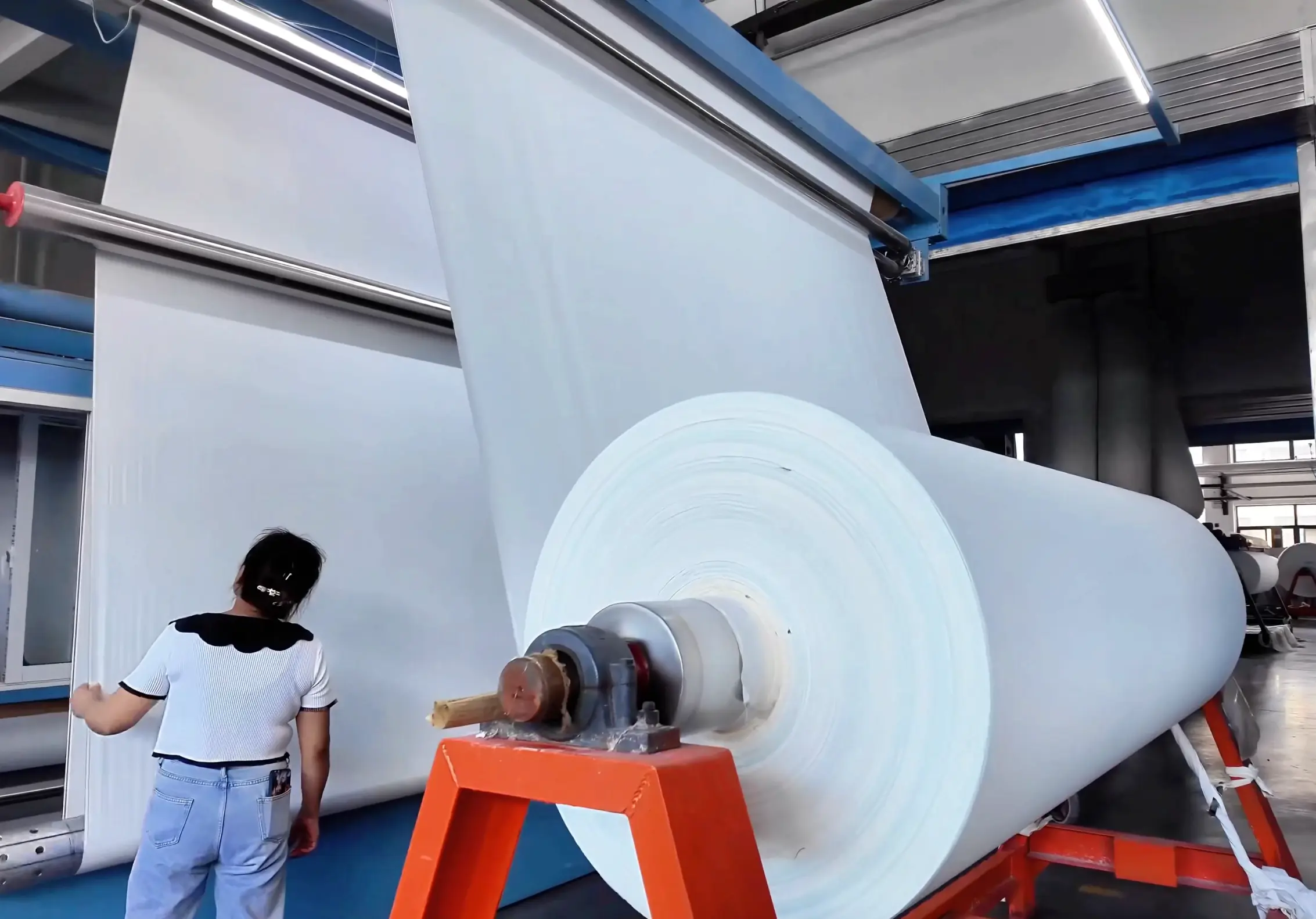
How Is Modal Fabric Manufactured?
The modal production process is similar to viscose production but incorporates modifications that enhance fiber strength and uniformity. The typical manufacturing sequence involves:
- Wood harvesting and pulping
- Alkali treatment
- Xanthation
- Dissolution into viscose solution
- Wet spinning
- Stretching and regeneration
- Washing and finishing
A major difference is found in the stretching stage. During coagulation, modal fibers are stretched under greater tension, which better aligns cellulose chains and boosts tensile strength.
Comparison of Regenerated Cellulose Fibers
| Property | Modal Fabric | Viscose Rayon | Lyocell |
| Wet Strength | High | Low–Medium | Very High |
| Moisture Absorption | Excellent | Excellent | Excellent |
| Production Solvent | Carbon disulfide-based | Carbon disulfide-based | NMMO (closed loop) |
| Dimensional Stability | Good | Moderate | Very Good |
| Surface Smoothness | Very Smooth | Smooth | Smooth–Crisp |
While lyocell (TENCEL™) is often marketed as more sustainable due to closed-loop solvent systems, modal remains a competitive option in cost-performance balance.
Physical and Mechanical Properties of Modal Fabric
Modal fabric is recognized for its soft touch, silk-like drape, and resistance to shrinking. However, from a scientific standpoint, its performance can be evaluated using quantifiable textile parameters.
Key Physical Characteristics:
- Moisture regain: approximately 11–14%
- Tensile strength (dry): greater than viscose
- Tensile strength (wet): maintains considerable integrity
- Density: around 1.50 g/cm³
- Low tendency to pill
- Smooth fiber cross-section
Performance Metrics Relevant to Hot Weather
| Performance Factor | Modal Fabric | Cotton | Polyester |
| Moisture Regain (%) | 11–14 | 7–8 | <1 |
| Breathability | High | High | Low–Moderate |
| Drying Speed | Moderate | Moderate | Fast |
| Heat Retention | Low | Moderate | High |
| Skin Sensitivity | Excellent | Good | Variable |
These properties make modal fabric particularly suitable for next-to-skin garments.
Is Modal Good for Hot Weather?
The appropriateness of modal fabric for hot weather relies on various thermal comfort factors: moisture control, breathability, heat transfer, and cooling through evaporation.
- Moisture Absorption and Evaporation
Modal rapidly takes in sweat because of its water-attracting cellulose structure. However, compared to cotton, it generally feels softer against the skin when wet due to its thinner fibers and consistent surface.
High moisture regain enables:
- absorption of sweat
- less skin stickiness
- enhanced evaporative cooling
Nevertheless, modal does not dry as quickly as polyester. Consequently, in very humid conditions, blended fabrics (modal combined with elastane or polyester) might work better.
- Breathability and Air Permeability
Modal yarns can be spun into lightweight knits that have excellent air permeability. The fabric’s construction is crucial—jersey, rib knit, and interlock modal fabrics provide varying airflow characteristics.
In laboratory air-permeability tests, lightweight modal knits frequently match or surpass cotton of comparable GSM.
- Thermal Regulation
Since modal fibers are slender and smooth, fabrics hang loosely and retain less air than thicker cotton knits. This decreases thermal insulation and makes modal appropriate for summer clothing.
Modal Fabric in Apparel Applications
Modal’s performance characteristics make it highly adaptable across multiple garment categories.
- Intimate Apparel and Loungewear
Modal is widely used in:
- Underwear
- Sleepwear
- Loungewear
- Base layers
Key benefits:
- Ultra-soft hand feel
- High breathability
- Smooth surface against skin
- Reduced pilling compared to standard viscose
Its drape and stretch recovery (when blended with elastane) make it ideal for close-to-body garments.
- Active and Athleisure Wear
Although not inherently performance-driven like polyester, modal offers:
- Good moisture absorption
- Temperature regulation
- Lightweight comfort
In athleisure collections, modal is often blended with:
- Spandex is used for elasticity.
- Polyester is used for durability.
This enables brands to market Modal as a “natural-feel performance fabric.”
- T-Shirts and Casual Tops
Modal offers:
- A fluid drape
- A soft sheen
- Resistance to shrinkage
- Color retention
Compared to standard cotton jersey, modal jerseys often feel cooler and smoother.
- Luxury Fashion and Premium Basics
High-end brands choose modal because:
- It enhances the perceived value of garments
- It holds dye well
- It offers a silk-like finish without silk pricing
Premium modal fabrics may undergo enzyme washing or bio-polishing for enhanced softness.
Modal vs Cotton for Summer Wear
Summer wear emphasizes breathability, moisture management, and lightweight comfort. The comparison below illustrates functional distinctions.
- Moisture Management
Modal:
- Absorbs approximately 50% more moisture than cotton
- Wicks moisture effectively
- Feels dry when touched
Cotton:
- Absorbs moisture effectively
- May feel damp during heavy sweating
- Takes longer to dry
Advantage for humid environments: Modal
- Breathability
Both fabrics allow airflow.
However:
- Cotton provides natural ventilation through its fiber structure
- Modal’s smoother fibers decrease friction and enhance airflow in lightweight knits
Both are appropriate, but modal tends to feel cooler in tight-fitting clothing.
- Softness and Skin Sensitivity
Modal:
- Provides a smoother surface
- Has less fiber protrusion
- Offers a lower irritation potential
Cotton:
- Has a natural texture
- May feel rougher in lower grades
For sensitive skin applications, modal is often preferred.
- Durability and Shape Retention
Modal:
- Exhibits better dimensional stability
- Experiences less shrinkage
- Has stronger wet strength than viscose
Cotton:
- Is durable but prone to shrinkage
- Can lose shape over time
In fitted summer garments, modal typically maintains its structure longer.
- Sustainability Considerations
Cotton:
- Requires water-intensive cultivation (traditional cotton)
- Organic options are available
Modal:
- Is derived from renewable wood pulp
- Is often produced in closed-loop systems
- Lower water use during fiber processing (in advanced production methods)
Sustainability depends heavily on sourcing transparency and manufacturing practices.
Sustainability Considerations
Modal’s sustainability depends heavily on sourcing and manufacturing practices. Responsible producers use:
- FSC-certified beechwood
- Improved chemical recovery systems
- Wastewater treatment
Organizations like the Forest Stewardship Council help ensure responsible forestry practices.
However, modal is not automatically sustainable. Buyers should request transparency documentation, including:
- FSC certification
- OEKO-TEX® Standard 100
- Closed-loop chemical management
Fabric Blends and Performance Engineering
Pure modal has limitations in strength and elasticity. Blending enhances functionality.
- Modal + Cotton Blends
Common ratios:
- 50/50
- 60/40
Benefits:
- Balanced softness and structure
- Improved durability
- Reduced cost compared to 100% modal
Used in:
- Everyday T-shirts
- Casual dresses
- Premium basics
- Modal + Spandex (Elastane)
Typical addition:
3–8% spandex
Benefits:
- Enhanced stretch
- Shape retention
- Better body contouring
Applications:
- Activewear
- Leggings
- Underwear
- Modal + Polyester
Benefits:
- Increased strength
- Faster drying
- Reduced wrinkling
Common in:
- Performance casualwear
- Travel apparel
- Micro Modal and High-Gauge Knits
Micro modal fibers are finer and produce:
- Silky hand feel
- Lightweight fabrics
- Improved drape
Often used in:
- Premium innerwear
- Luxury loungewear
- High-end fashion tops
- Functional Finishing Options
Performance can be enhanced through finishing treatments:
- Anti-microbial treatments
- Moisture-wicking enhancements
- Anti-pilling finishes
- UV protection coatings
These allow modal fabrics to compete in performance markets.
Industry Trends in 2026
Emerging trends include:
- Micro-modal ultra-lightweight knits
- Antimicrobial modal blends
- Biodegradable performance blends
- Circular fiber recycling initiatives
Premium brands increasingly market modal as a luxury everyday fiber.
FAQ Section
- What is modal fabric made from?
Modal fabric is made from regenerated cellulose derived primarily from beechwood pulp.
- Is modal better than cotton for hot weather?
Modal offers superior softness and moisture absorption, but cotton may dry slightly faster in some constructions.
- Does modal fabric shrink?
Modal has better dimensional stability than traditional viscose and shrinks less than many cotton fabrics.
- Is the modal breathable?
Yes. Modal fabric is highly breathable due to its cellulose structure and fabric construction.
- Is modal environmentally friendly?
It can be, depending on forestry sourcing and chemical recovery systems.
Conclusion
Modal fabric signifies a sophisticated advancement in the regenerated cellulose fiber family. It blends softness, moisture-wicking properties, and durability, making it ideal for hot weather clothing—especially in lightweight knit designs.
Although it may not be suitable for every climate, modal provides a great compromise of comfort, appearance, and functionality.
In 2026, apparel brands, sourcing teams, and textile engineers must understand modal’s molecular structure, mechanical properties, sustainability considerations, and blending potential to develop products strategically and maintain a competitive market position.